Understanding the Need for Steam Aging Tests
Electronic components, especially semiconductors and PCBs, often fail due to moisture exposure over time. A steam aging machine recreates these conditions in a controlled lab environment, accelerating corrosion and aging processes. This allows manufacturers to predict real-world performance and ensure that solder joints maintain strength and conductivity throughout a product’s life cycle.

Working Principle of a Steam Aging Machine
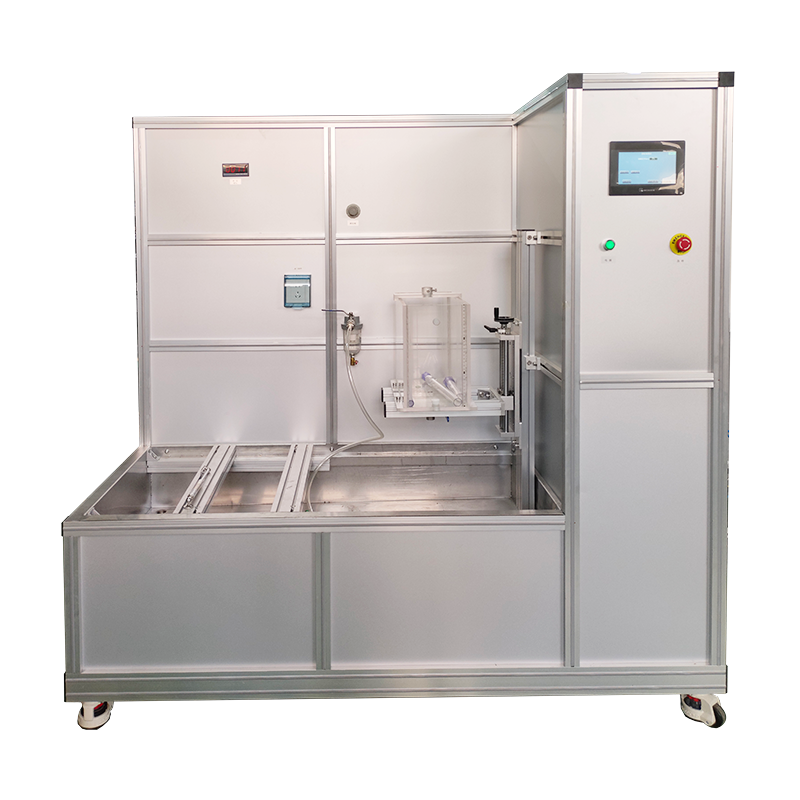
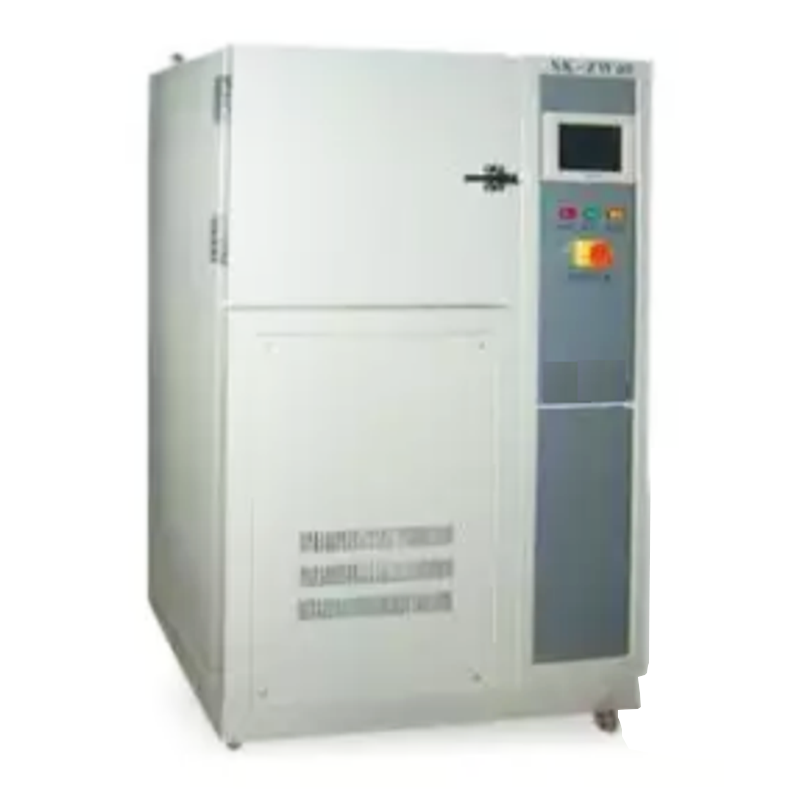
The semiconductor aging machine generates saturated steam inside a stainless-steel chamber. Samples are exposed to this environment at defined temperatures and humidity for a set duration. The test simulates years of natural moisture-induced stress in just hours, providing critical data for solderability testing and reliability verification.
Core Features That Make a Difference
When selecting an aging test machine, consider the following technical highlights:
Temperature accuracy within ±0.5℃ for repeatable results.
Digital PID control with clear display interface.
Durable SUS 304 stainless-steel construction to prevent corrosion.
Adjustable test cycles up to 9999 minutes, offering flexible aging conditions.
These capabilities ensure consistent performance and compliance with global testing standards.
Industry Applications of Steam Aging Machines
Steam aging technology plays a vital role in sectors where component failure is unacceptable:
Semiconductor packaging validation.
PCB solderability and bonding assessment.
Reliability testing for consumer electronics and automotive systems.
By adopting steam aging machines, companies reduce field failures, optimize quality control, and extend product life.
Choosing the Right Steam Aging Machine for Your Needs
The right steam aging machine depends on specific application requirements. Key considerations include:
Compliance with standards like JESD22-A111 and IEC specifications.
Chamber capacity suited to your testing volume.
User-friendly interfaces for ease of operation.
Strong technical support and after-sales service.
Selecting wisely ensures reliable test data and supports long-term production goals.
Final Thoughts
The demand for high-performance electronics is rising, and reliability remains the top priority. A steam aging machine provides manufacturers with a trusted method to validate solderability, durability, and long-term performance, ensuring that products deliver consistent quality in real-world applications.
Last Article:Large Simulation Transport Vibration Table: Ensuring Product Durability During Shipping
Next Article:Office Chair Rotating Life Test Machine: A Key to Long-Lasting Chair Durability