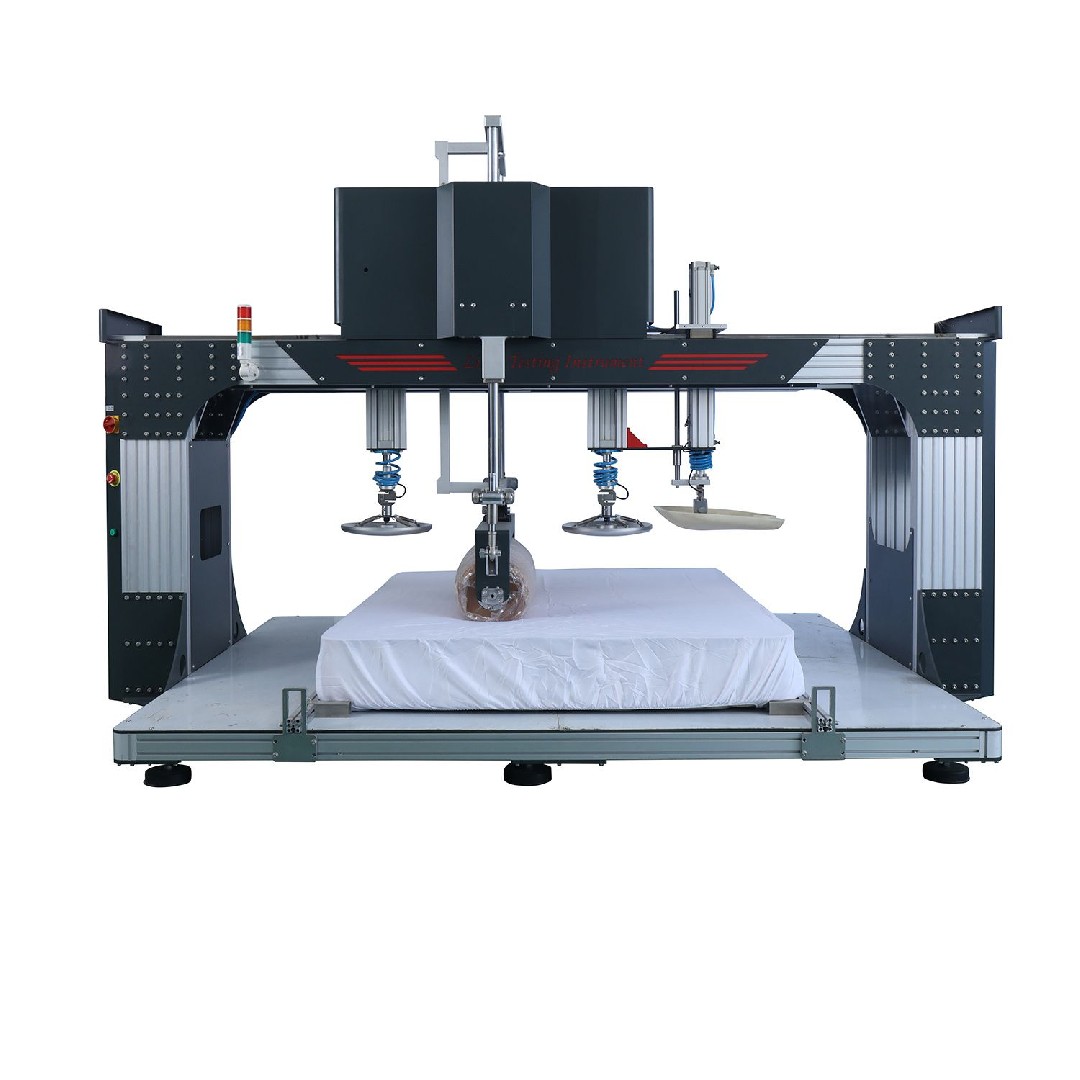
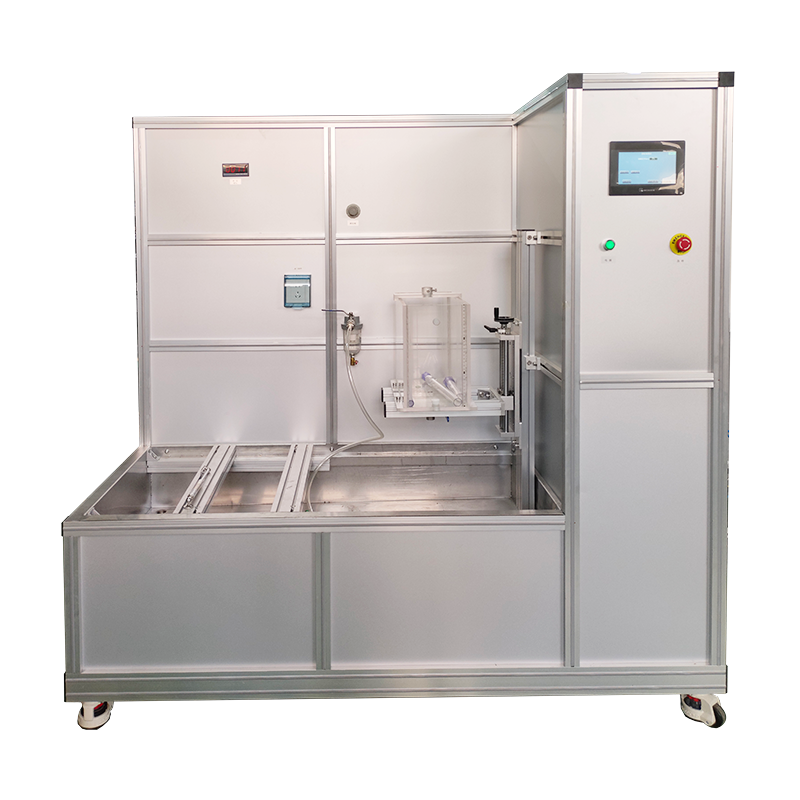
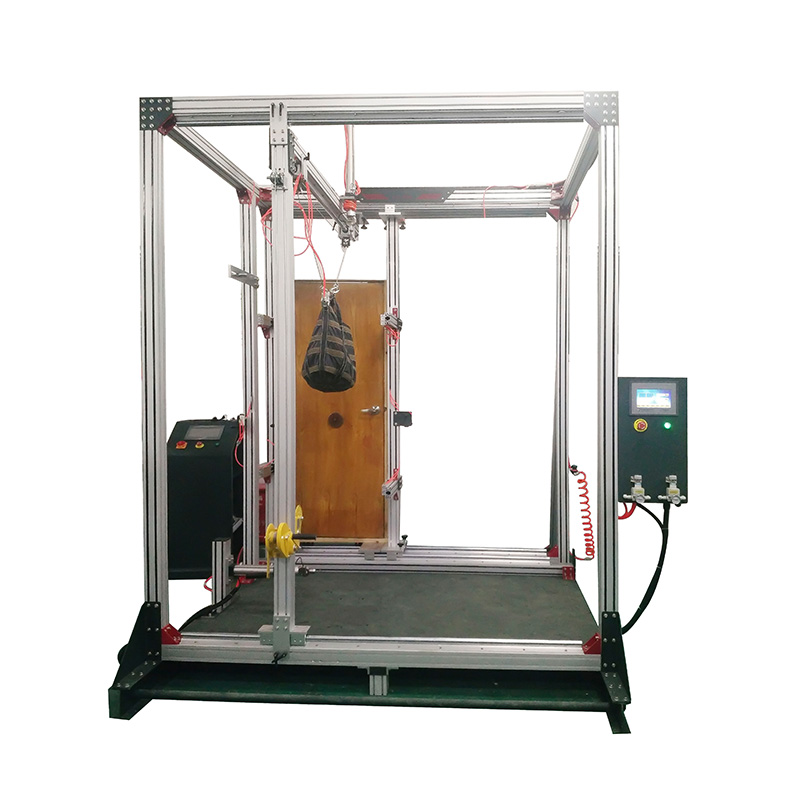
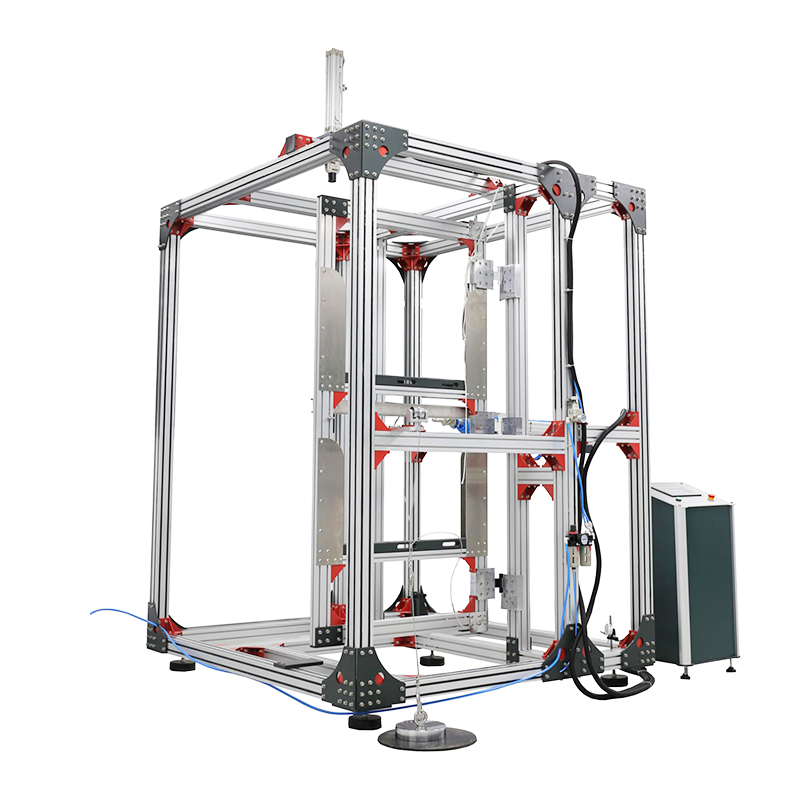
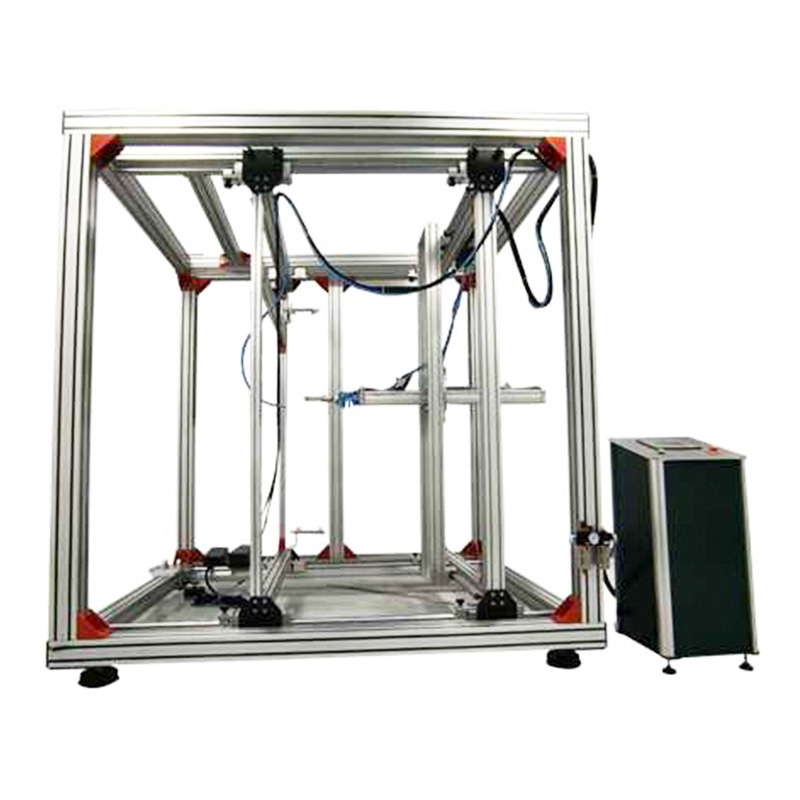
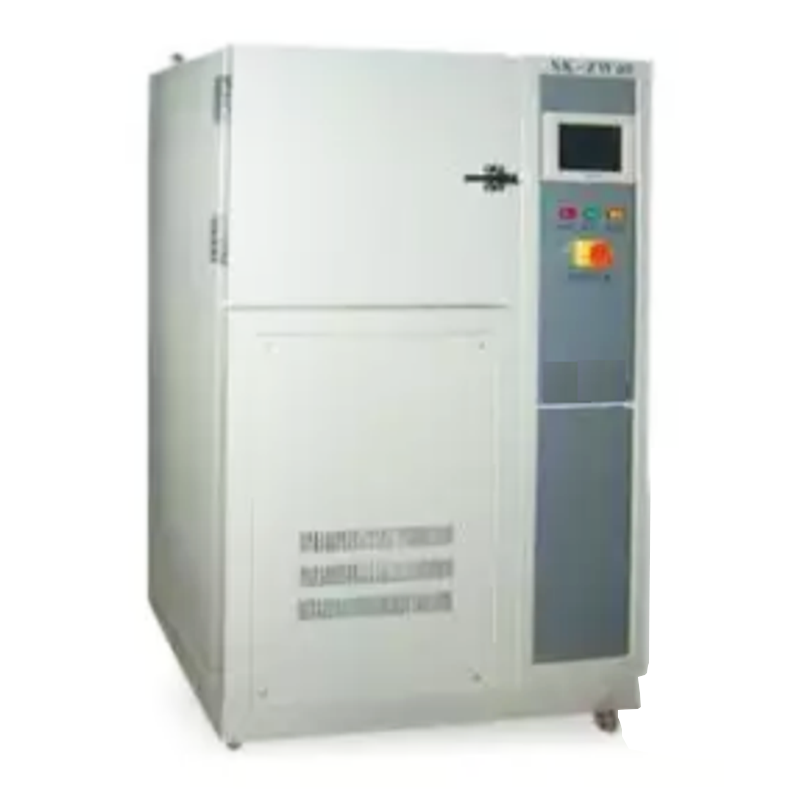
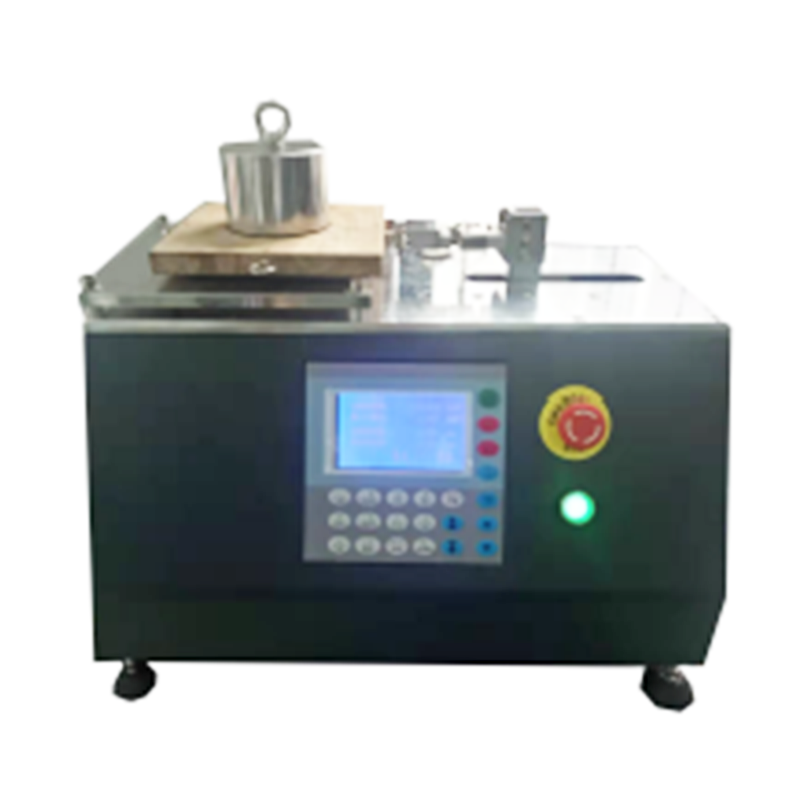
A good mattress is more than just a place to sleep — it is a critical component of health, comfort, and overall well-being. Yet, behind every reliable mattress lies a rigorous testing process, often driven by a mattress testing machine — a specialized tool designed to evaluate everything from structural integrity to pressure distribution. These machines are indispensable for manufacturers, ensuring that their products meet safety standards, deliver consistent comfort, and stand the test of time.

One of the primary functions of a mattress testing machine is to assess durability. Mattresses endure years of nightly use, with repeated pressure from body weight, shifting positions, and even occasional jumps (especially in households with children). Testing machines simulate this wear and tear through cyclic loading: a mechanical device applies and releases pressure thousands of times, mimicking the impact of a person lying down, rolling over, or getting up. This process reveals weaknesses in materials like foam, springs, or upholstery, such as sagging, spring fatigue, or fabric tearing. By identifying these issues early, manufacturers can refine their designs, choose more resilient materials, and guarantee a longer lifespan for their products.
Comfort is another key area evaluated by mattress testing machines. Pressure mapping technology, often integrated into these machines, measures how a mattress distributes weight across its surface. Uneven pressure can lead to discomfort, muscle strain, or poor sleep quality over time. Using sensors or specialized pads, the machine creates a visual map of pressure points, helping manufacturers adjust layer thickness, foam density, or spring tension to achieve optimal support. For example, a mattress designed for side sleepers might require more cushioning in the shoulder and hip areas, while one for back sleepers needs firmer support along the spine — insights made possible by precise pressure testing.
Safety is non-negotiable in mattress production, and testing machines play a vital role here as well. Many regions mandate strict standards for flammability, chemical emissions, and even allergen resistance. A mattress testing machine can conduct flammability tests by exposing samples to controlled flames, measuring how quickly fire spreads and whether the material self-extinguishes — critical for preventing household fires. Additionally, these machines can detect harmful substances like formaldehyde or volatile organic compounds (VOCs) in foam or adhesives, ensuring compliance with regulations such as the U.S. Consumer Product Safety Commission (CPSC) standards or the European Union’s REACH (Registration, Evaluation, Authorization, and Restriction of Chemicals) requirements.
The evolution of mattress testing machines has kept pace with advancements in mattress technology. Modern models often feature computerized controls and data analytics, allowing for precise customization of test parameters. For instance, a machine can simulate the weight and movement patterns of different body types (from children to adults) or adjust temperature and humidity levels to test how mattresses perform in various climates. Some advanced systems even use artificial intelligence to analyze test data, predicting how a mattress will degrade over time or suggesting design tweaks to enhance comfort.
Specialized mattresses, such as those designed for medical use or adjustable beds, require tailored testing. Mattress testing machines can evaluate the compatibility of mattresses with adjustable frames, ensuring that hinges or motors do not damage the mattress structure during movement. For medical mattresses, which prevent pressure ulcers, machines measure pressure redistribution under static and dynamic conditions, verifying that the product meets the needs of patients with limited mobility.
Choosing the right mattress testing machine depends on a manufacturer’s specific focus. Smaller brands might prioritize basic durability and pressure tests, while larger companies may invest in multi-functional machines that handle flammability, chemical analysis, and dynamic movement simulations. Additionally, compliance with regional standards is a key consideration — a machine must be able to perform tests aligned with local regulations to ensure market access.
In conclusion, the mattress testing machine is a cornerstone of quality assurance in the bedding industry. By simulating real-world use, measuring comfort metrics, and ensuring regulatory compliance, these machines empower manufacturers to create mattresses that are safe, durable, and truly comfortable. As consumers increasingly prioritize sleep health and demand higher standards, the role of mattress testing machines will only grow, ensuring that every mattress that reaches the market is more than just a product — it is a promise of restful nights and lasting quality.
Last Article:Furniture Testing Machine: Safeguarding Quality in Every Piece
Next Article:Furniture Mechanics Integrated Testing Machine: A Comprehensive Solution for Furniture Quality Assessment