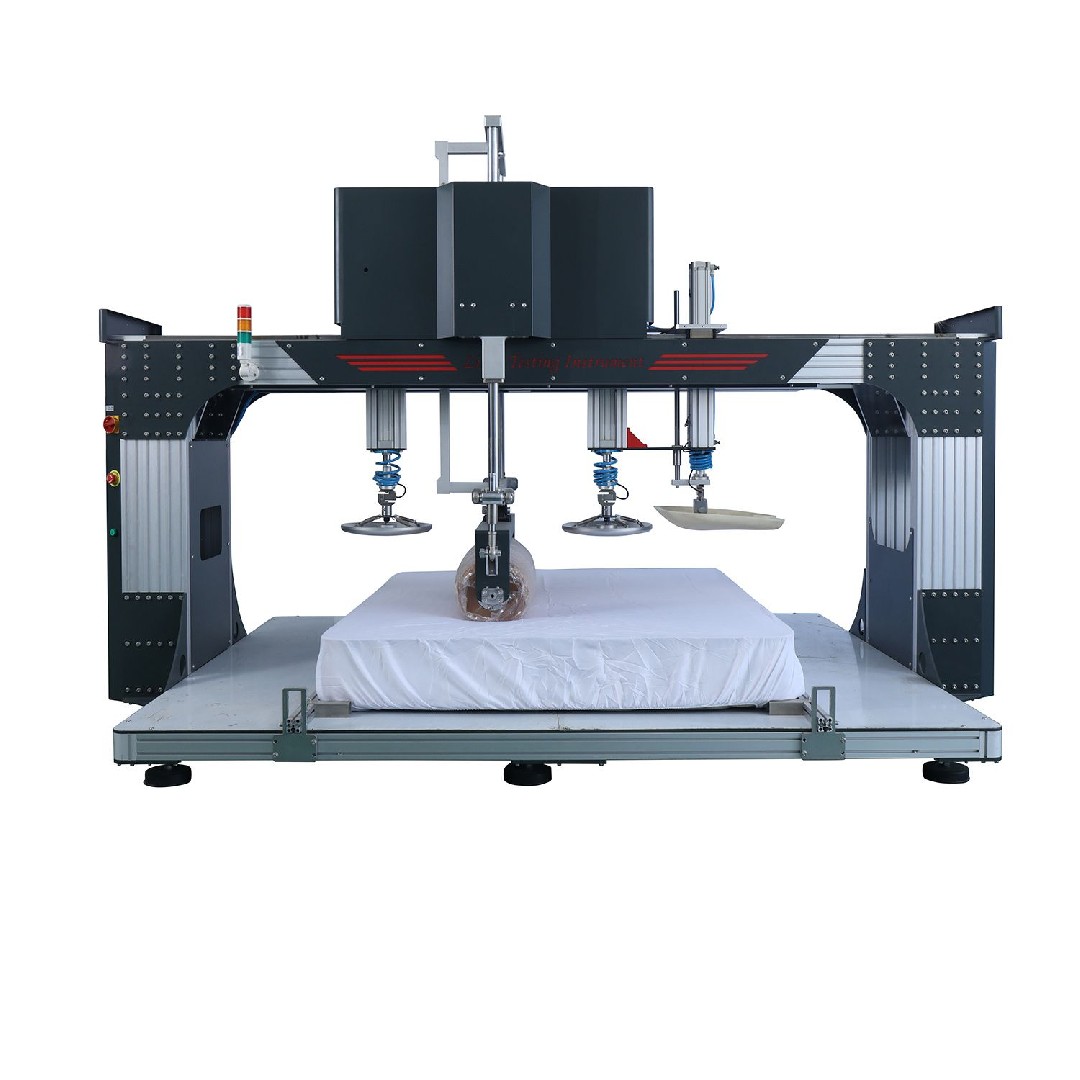
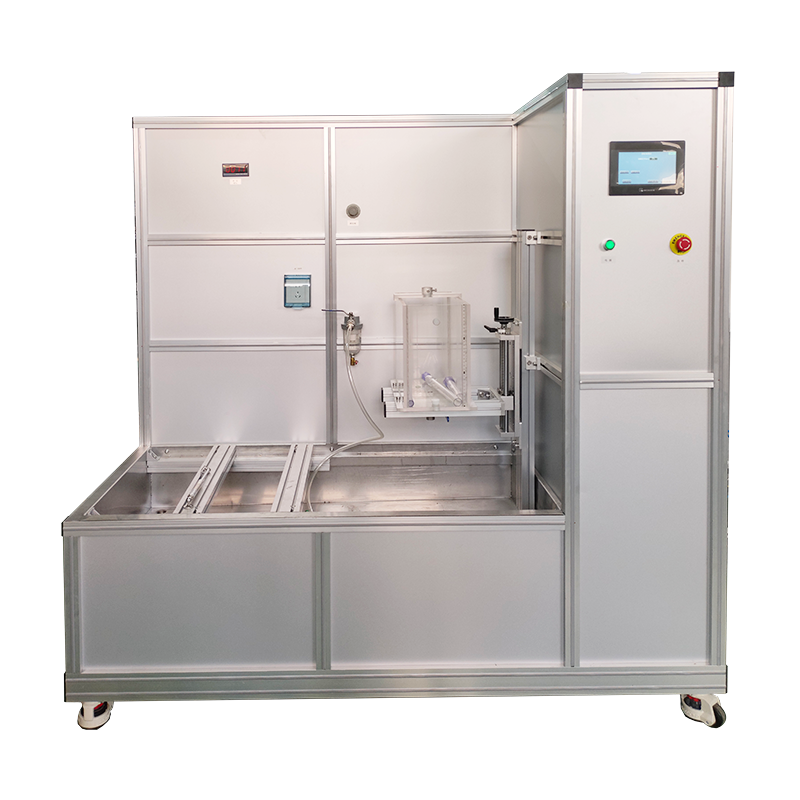
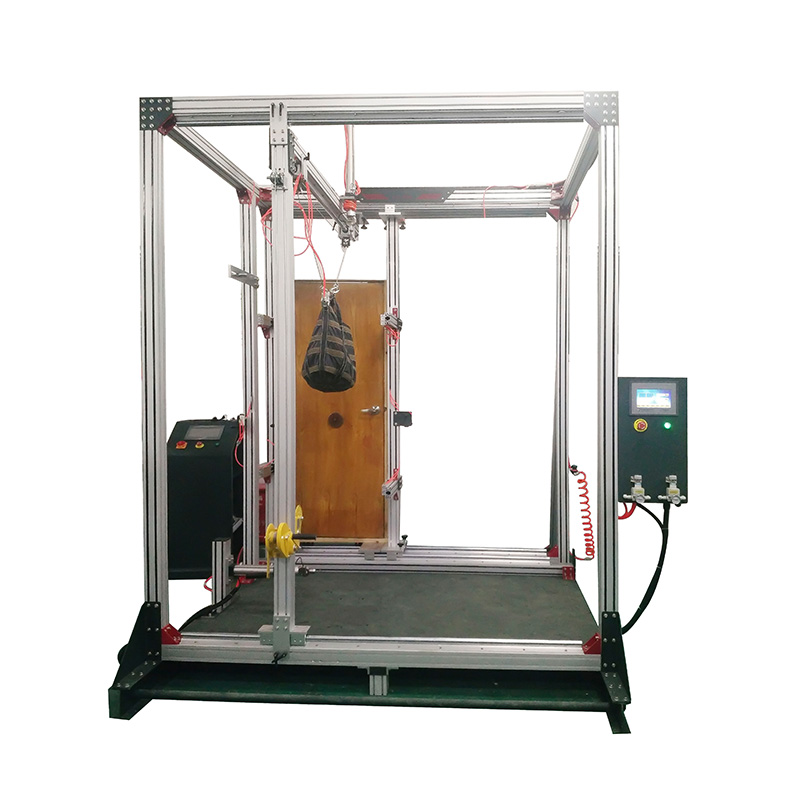
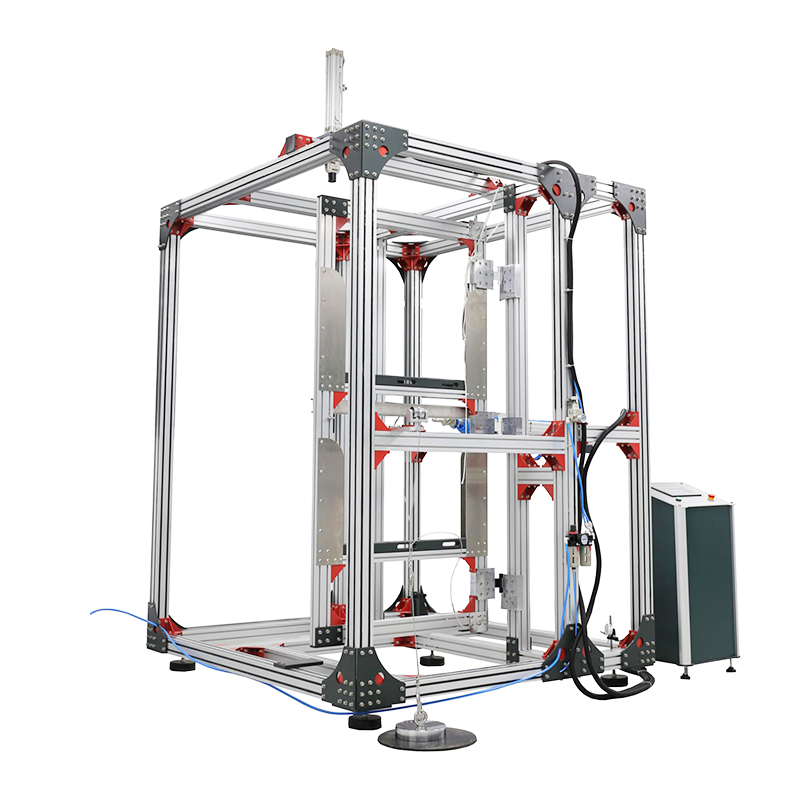
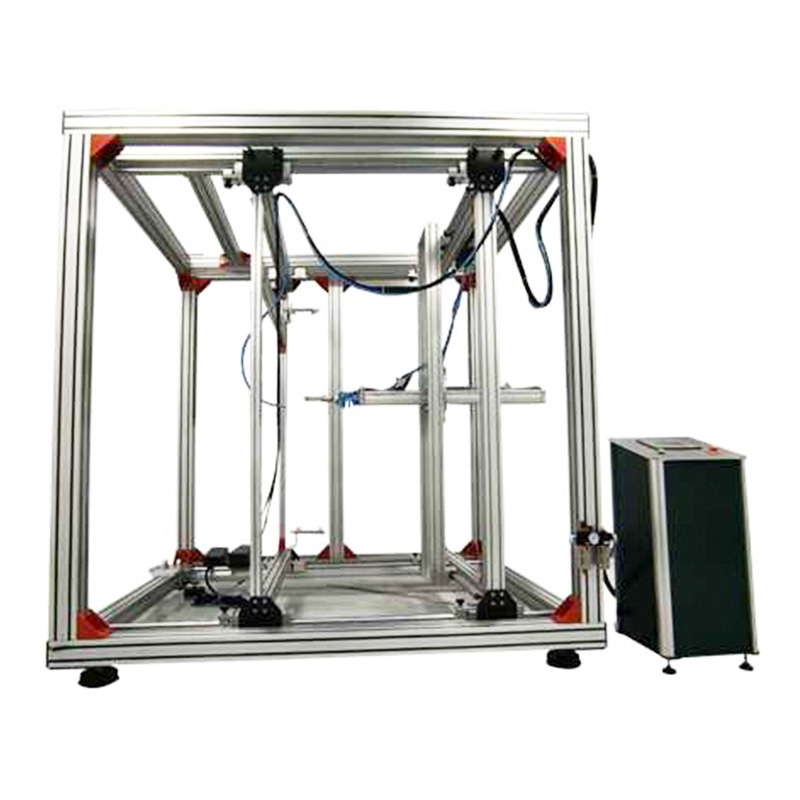
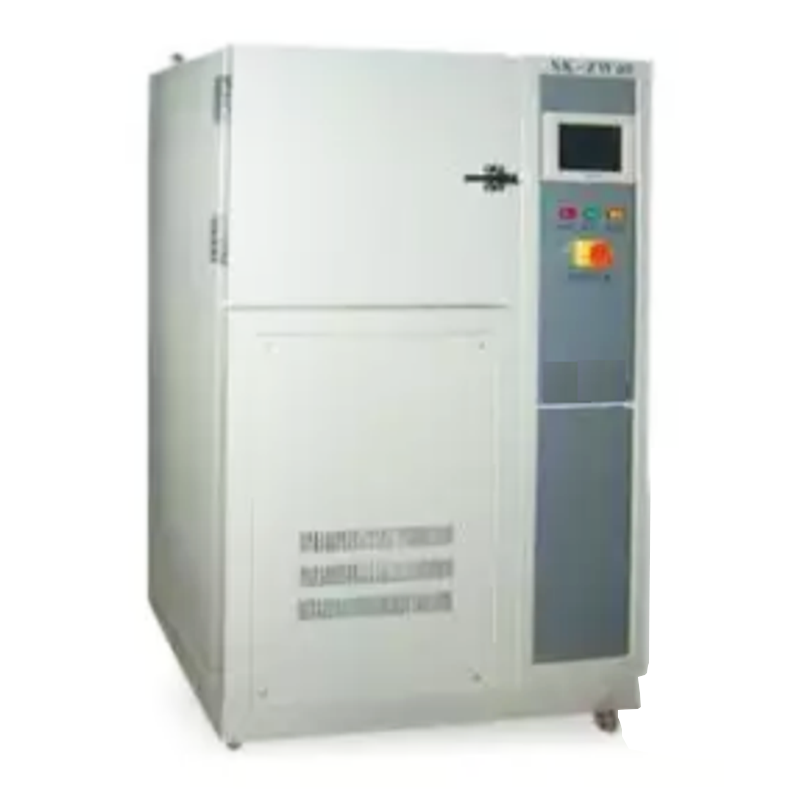
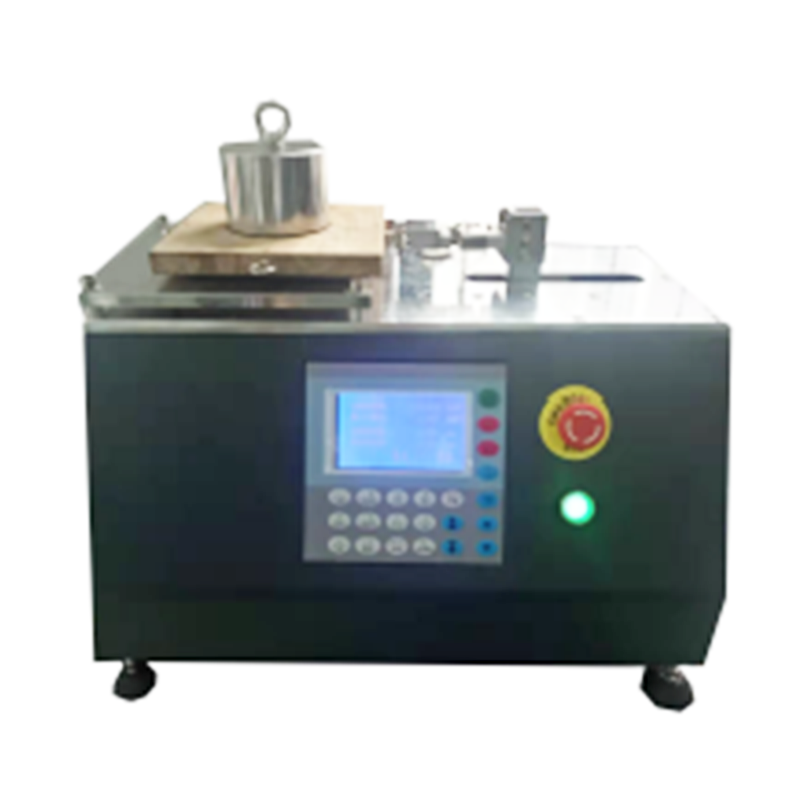
The Bath Tank Load Testing Machine is a specialized device designed specifically for evaluating the performance and durability of bathtubs. As a critical tool in quality assurance for bathroom fixtures, this machine ensures that bathtubs can withstand the loads and stresses encountered during daily use, verifying their structural integrity and safety for end-users.
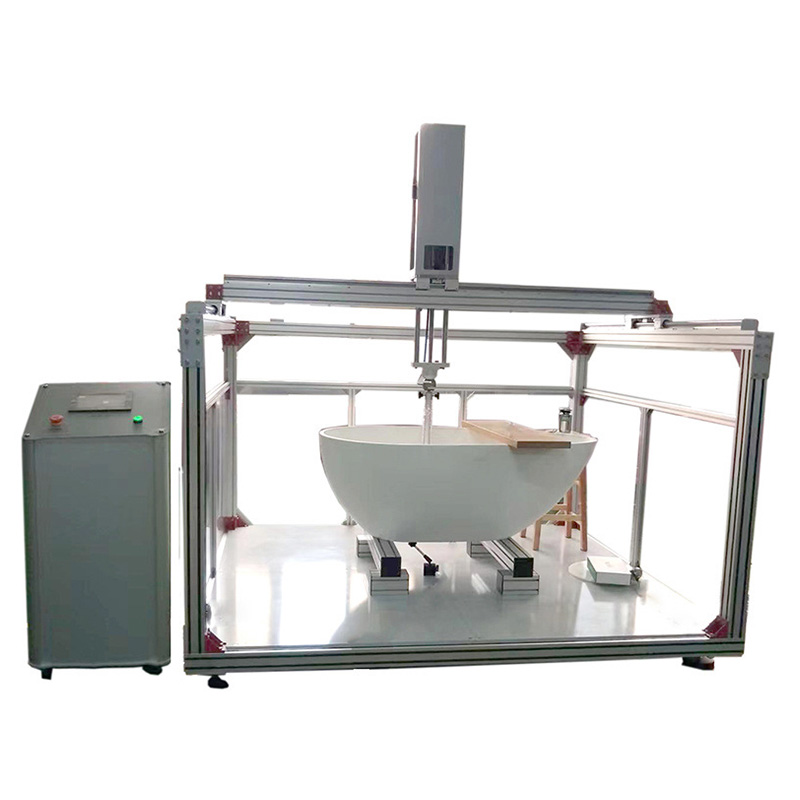
Core Control System
At the heart of the Bath Tank Load Testing Machine is a sophisticated control system, integrated with PLC (Programmable Logic Controller), a touch screen interface, servo motor, wire rod, and sensors. This combination of components, governed by professional test procedures, enables precise control over testing parameters, ensuring accurate and repeatable results. The user-friendly touch screen simplifies operation, allowing for easy adjustment of test settings and real-time monitoring of the testing process.
Technical Parameters
The machine is engineered with specifications tailored to bathtub testing requirements:
Working Voltage: Operates on single-phase AC220V with reliable grounding, ensuring safe and stable power supply during testing.
Electric Power: Consumes a maximum of 1.5KW, balancing efficiency with performance.
Force Sensor: Equipped with a 500Kg force sensor with an accuracy of 1%, providing precise measurement of applied loads to assess bathtub resistance.
Test Speed: Adjustable from 0.01 to 300mm/min, allowing simulation of different loading rates to replicate various usage scenarios.
Appearance: Constructed with industrial aluminum profiles, ensuring durability, corrosion resistance, and a professional finish suitable for laboratory or factory environments.
Retention Time: Supports setting load retention periods from 0 to 999 minutes, enabling tests that simulate prolonged use or static load conditions.
Outline Dimension: Approximately 2600×2600×2000mm, with slight variations depending on the specific bathtub model being tested, ensuring compatibility with most standard bathtub sizes.
Compliance with Standards
The Bath Tank Load Testing Machine adheres to the requirements of JC/T 779-2010, the Chinese industry standard for “Fiberglass Reinforced Plastic Bathtubs.” Specifically, it meets the criteria outlined in Appendix A of this standard, which focuses on testing methods for evaluating bathtub performance. By aligning with this standard, manufacturers can ensure their bathtubs meet industry benchmarks for strength, durability, and safety, facilitating product certification and market acceptance.
Applications and Significance
The primary function of the Bath Tank Load Testing Machine is to assess how bathtubs perform under applied loads, a critical factor in ensuring user safety and product longevity. By simulating the weight of users, water, and other stresses, the machine identifies potential weaknesses such as cracks, deformation, or structural failure. This allows manufacturers to refine materials, improve design structures, and address issues before products reach the market.
For consumers, this testing ensures that bathtubs can reliably support daily use without compromising safety, while for manufacturers, it serves as a key quality control step to uphold brand reputation and comply with regulatory requirements.
In conclusion, the Bath Tank Load Testing Machine is an essential tool for ensuring the quality and safety of bathtubs. Its precise control system, tailored technical parameters, and compliance with industry standards make it indispensable for manufacturers committed to producing durable, reliable bathroom fixtures. By investing in this testing equipment, businesses can validate their products’ performance, enhance consumer trust, and maintain a competitive edge in the sanitary ware market.
Last Article:Zero Height Drop Test Machine: Evaluating Packaging Impact Resistance for Transportation Safety
Next Article:Water Tank Accessories Life Testing Machine: A Reliable Tool for Durability Verification of Tank Components