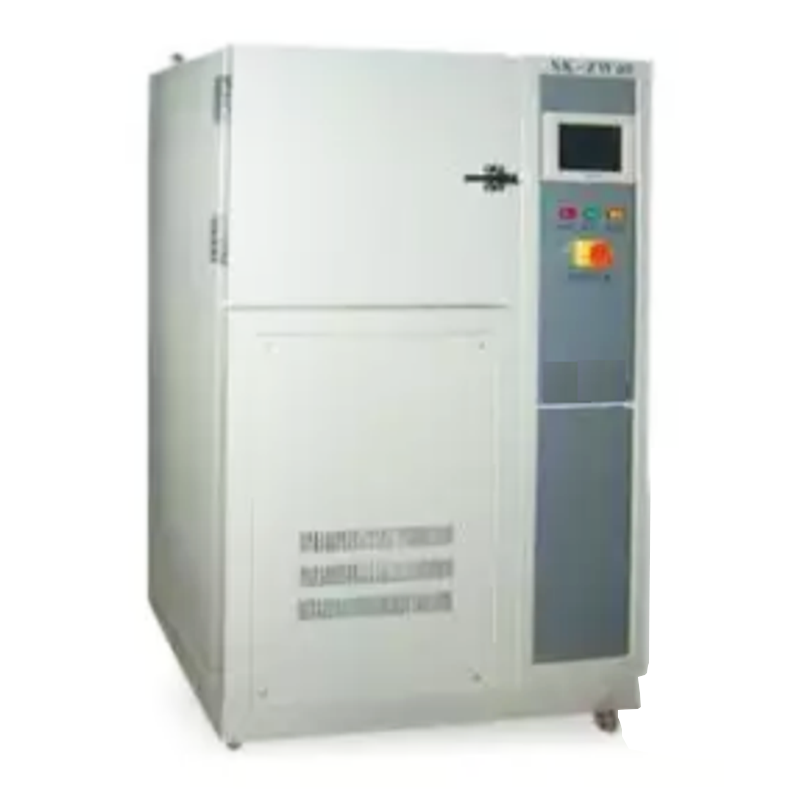
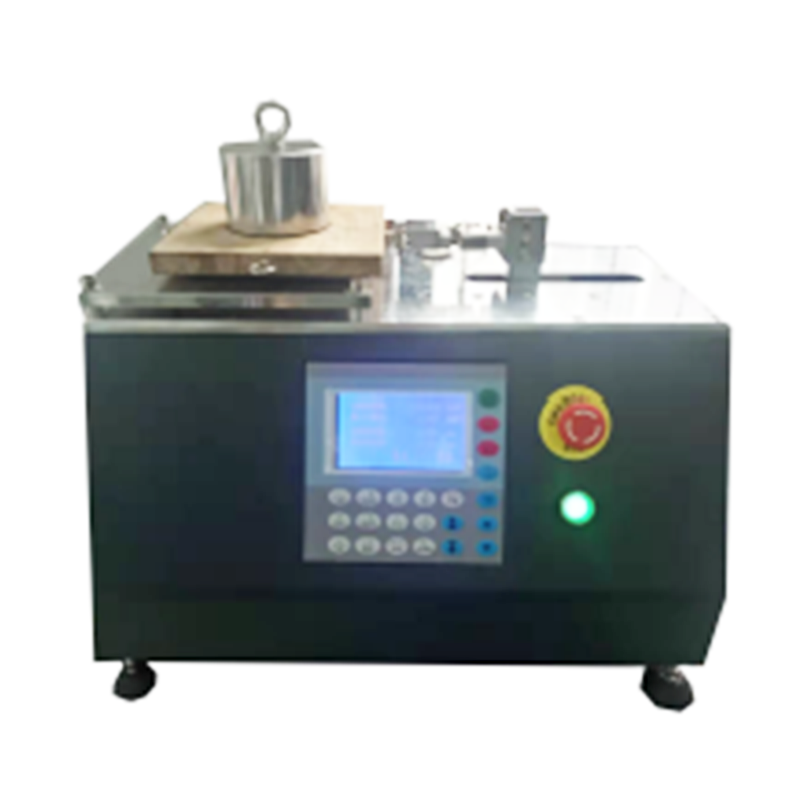
Introduction: Why Impact Testing is Critical for Rideable Sports Equipment
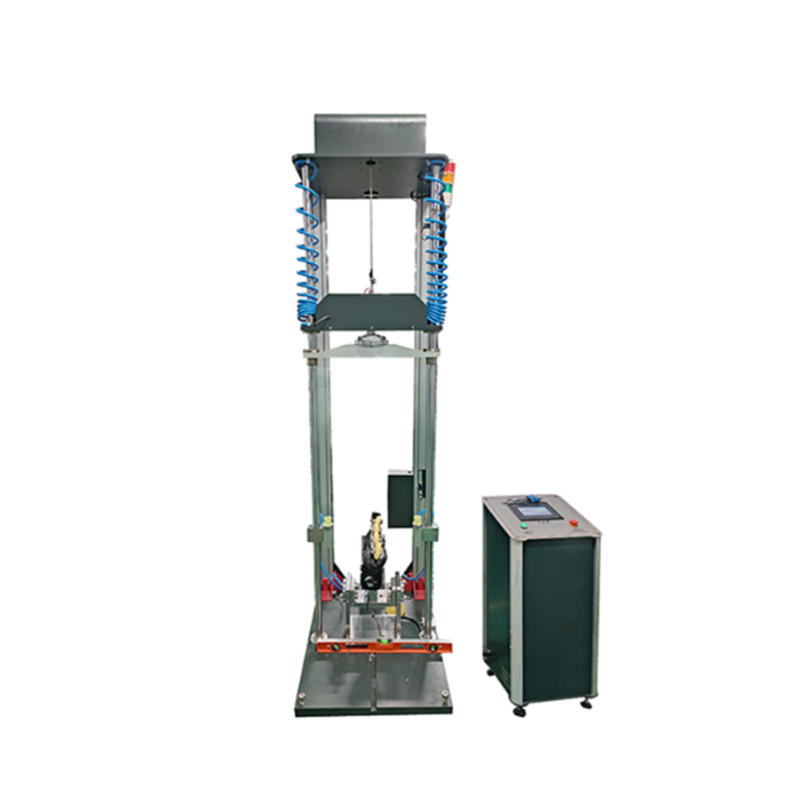
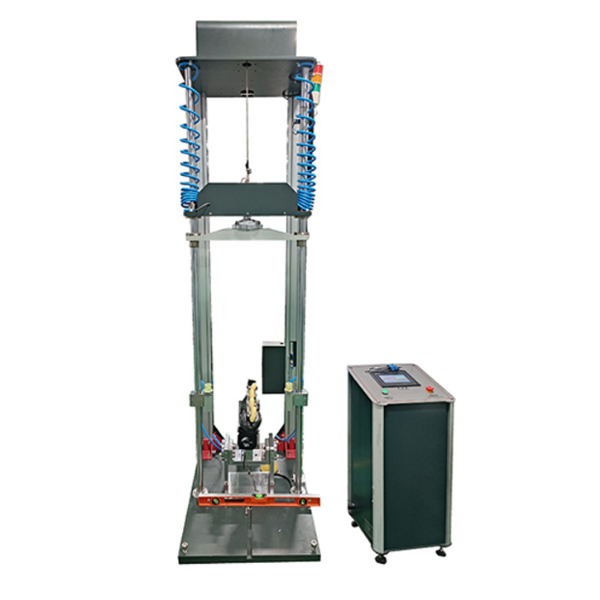
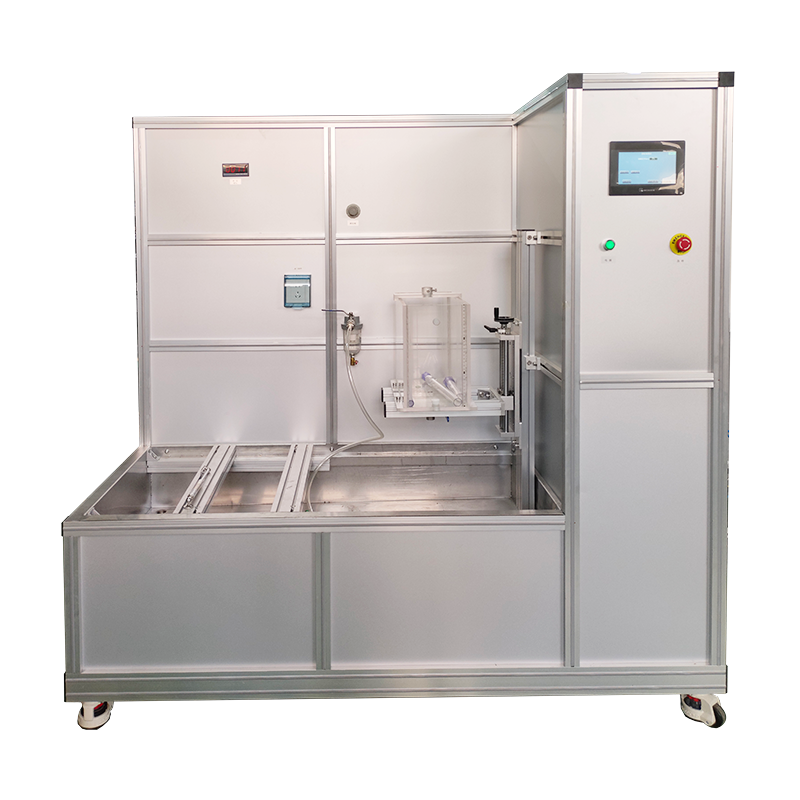
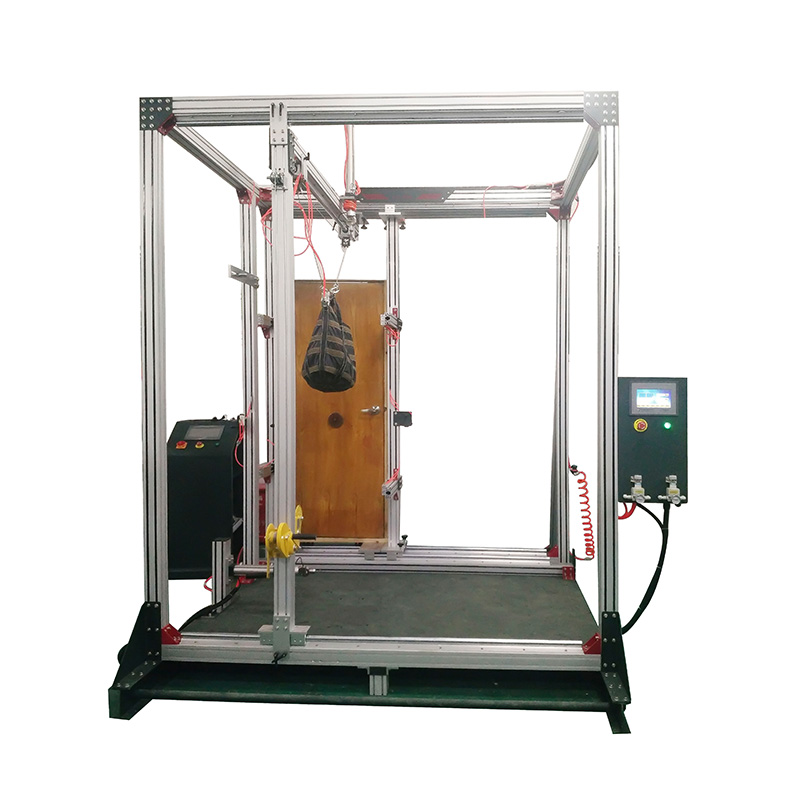
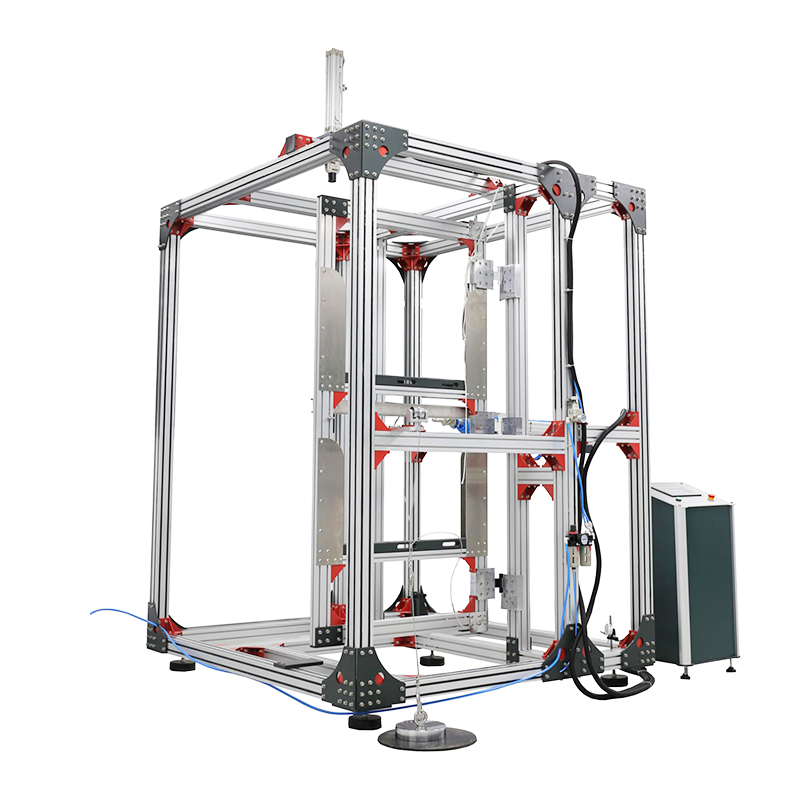
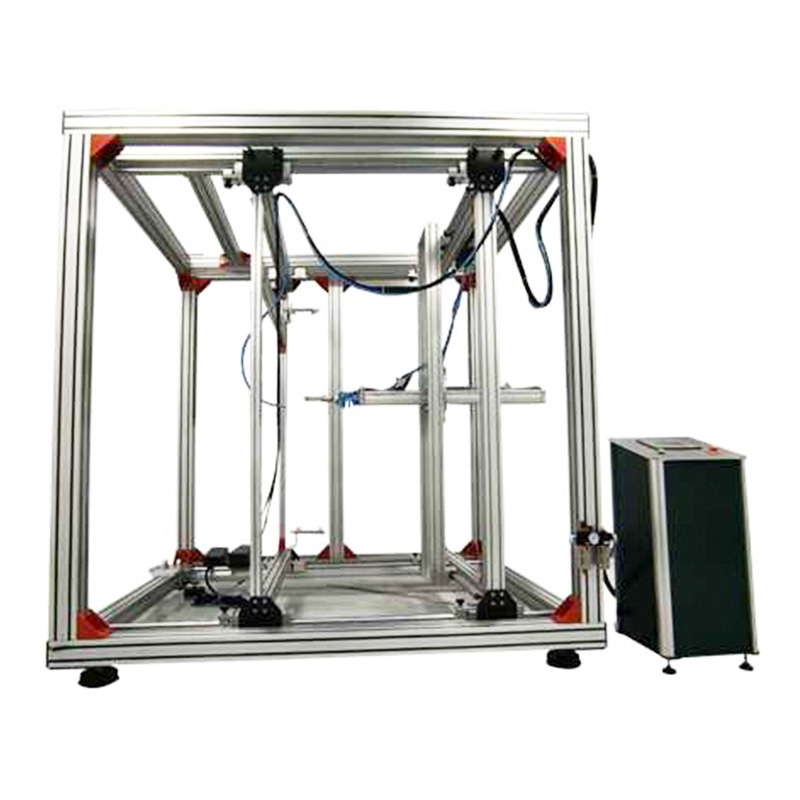
Skateboards, roller skates, and scooters are subjected to repeated high-impact forces during normal use—ollies, drops, stair rides, and rough terrain all create vertical冲击 loads that can compromise structural integrity. The Roller Skate Vertical Impact Tester is a specialized laboratory instrument designed to simulate these real-world impact conditions in a controlled, repeatable manner. This equipment evaluates the impact resistance strength of skateboards, scooters, and related rideable products, helping manufacturers identify design weaknesses, validate material choices, and ensure user safety before products reach the market.

Understanding the Testing Principle: Simulating Vertical Drop Impacts
The core function of a vertical impact tester is to replicate the sudden vertical forces that occur when a skateboard or scooter lands after an ollie, drops off a curb, or encounters an obstacle. The machine lifts a weighted impactor or the test specimen itself to a predetermined height and then releases it, allowing gravity to generate a controlled impact force onto the test sample. This process is repeated for a specified number of cycles or until failure occurs, providing quantitative data on the product's ability to withstand repeated shock loading.
Key Testing Parameters and Machine Components
Height-Adjustable Drop Mechanism: Allows precise control of impact energy by varying the drop height (typically 50mm to 500mm or more).
Interchangeable Impact Weights: Different mass configurations simulate varying rider weights and impact scenarios.
Anvil or Strike Surface: A rigid steel base that receives the impact, sometimes with replaceable strike plates to simulate different landing surfaces.
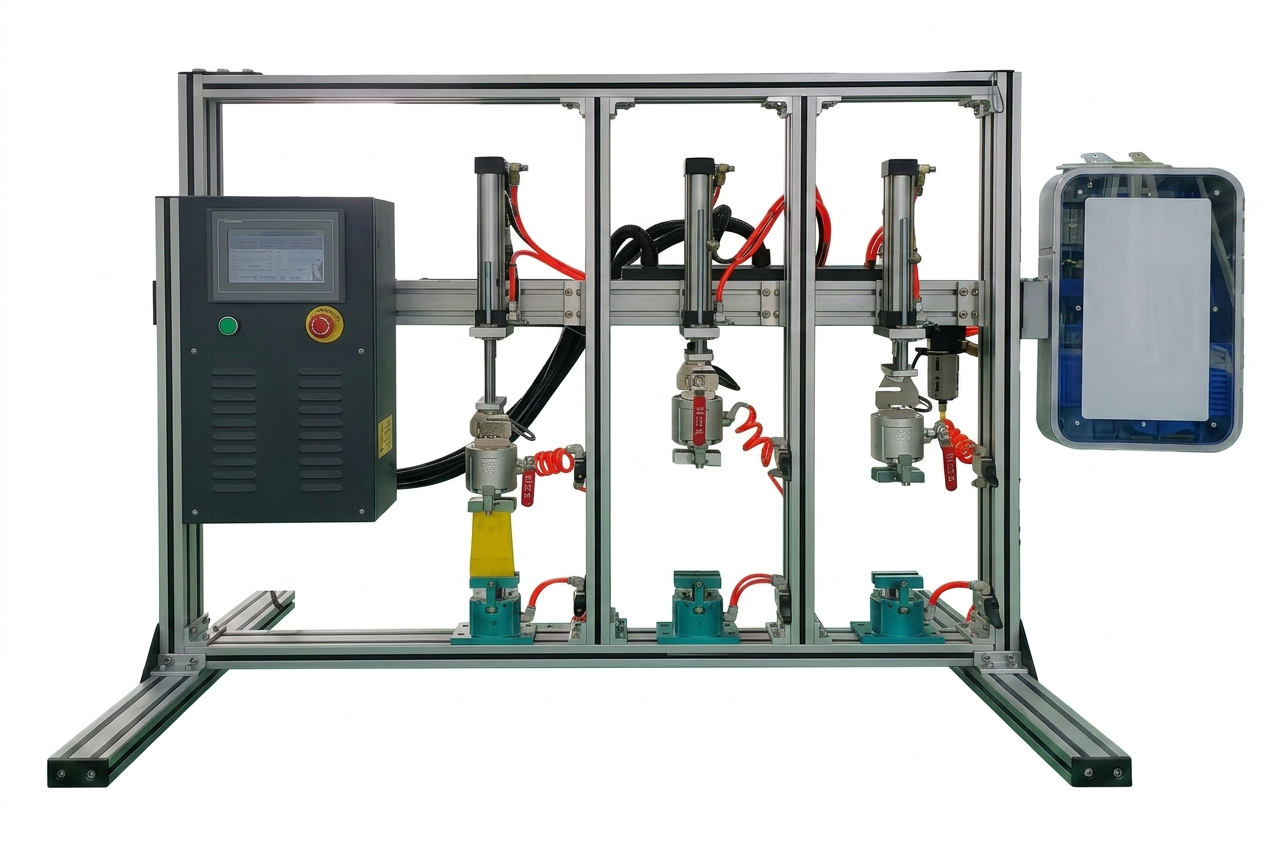
Specimen Mounting Fixtures: Adjustable clamps and supports to hold skateboard decks, trucks, wheels, or complete assemblies in the correct orientation.
Cycle Counter and Control System: Programmable logic controller to set number of impacts, drop height, and automatic shutdown upon failure.
Force Measurement System (Optional): Load cells to measure peak impact force and duration, providing additional data on energy absorption.
Comprehensive Testing Capabilities for Rideable Products
The vertical impact tester evaluates multiple components and failure modes relevant to skateboards, roller skates, and scooters.
1. Skateboard Deck Impact Testing
The deck is subjected to repeated vertical impacts at its center, nose, and tail—the most common landing points during tricks. The test measures:
Deck Flex and Recovery: How much the deck deflects under impact and whether it returns to its original shape.
Delamination Resistance: The bond strength between plywood layers under shock loading.
Crack Initiation and Propagation: Identifying stress points where cracks first appear and how they grow with repeated impacts.
Catastrophic Failure Point: The number of impacts or impact energy level that causes complete deck fracture.
2. Truck and Axle Impact Testing
Skateboard trucks experience significant vertical forces during landings, especially when landing sideways or on one truck. Testing evaluates:
Axle Bending Resistance: Permanent deformation of the axle under vertical impact loads.
Baseplate Integrity: Cracking or deformation of the truck baseplate where it mounts to the deck.
Kingpin and Bushing Durability: Wear or failure of steering components under repeated shock.
3. Wheel and Bearing Impact Testing
Wheels absorb significant impact energy, especially when landing on rough surfaces or dropping onto edges. Tests measure:
Wheel Hub Cracking: The urethane wheel's plastic or aluminum hub's ability to withstand vertical impacts without shattering.
Bearing Seat Deformation: Whether the wheel's bearing pocket deforms under impact, causing bearing misalignment or seizure.
Urethane Tear Resistance: The wheel's outer material resisting chunking or tearing under impact.
4. Complete Assembly Impact Testing
Testing the fully assembled skateboard or scooter simulates real-world conditions most accurately. The entire product is dropped onto its wheels or deck to evaluate:
Structural Resonance and Vibration: How the complete system responds dynamically to impact.
Hardware Loosening: Whether bolts, nuts, and fasteners remain tight after repeated impacts.
Overall System Durability: The product's ability to remain rideable and safe after an impact test regimen.

Applications Across Skateboarding, Scootering, and Roller Sports
The roller skate vertical impact tester is essential for manufacturers across the action sports industry.
1. Skateboard Manufacturing
Deck manufacturers use impact testing to validate new ply constructions, carbon fiber reinforcements, and concave designs. Truck companies test new alloys and forging methods. Complete board brands verify that assembled products meet safety standards.
2. Scooter Manufacturing
Kick scooters and electric scooters face similar vertical impact demands, especially on the deck and folding mechanisms. Impact testing validates the durability of welded joints, cast parts, and folding latches.
3. Roller Skate and Inline Skate Manufacturing
While less common, roller skates (especially aggressive inline skates) require impact testing on frames, soul plates, and boot shells to ensure they can withstand grinding and landing impacts.
4. Component Suppliers
Wheel manufacturers, bearing companies, and hardware suppliers use impact testers to validate their products under realistic loading conditions, providing performance data to OEM customers.
Standardized Testing Protocols and Methods
While specific international standards for skateboard impact testing are still evolving, the industry has adopted several common protocols that the vertical impact tester can execute.
Typical Drop Height and Weight Configurations
Deck Impact Test: 10kg impact weight dropped from 300mm to 500mm, repeated 500-1000 times.
Truck Impact Test: 15kg weight dropped from 200mm onto each truck axle, 1000 cycles.
Wheel Impact Test: 5kg weight dropped from 400mm onto wheel edge, 500 cycles.
Complete Board Drop Test: The skateboard itself is dropped from 1m onto a steel plate, wheels down, repeated 100 times.
Pass/Fail Criteria
No Visible Cracks or Fractures: The test specimen must show no structural damage visible to the naked eye.
Acceptable Deformation Limits: Permanent deformation must not exceed specified values (e.g., 3mm bend in truck axle).
Functional Integrity: Wheels must still spin freely, trucks must still turn, and the deck must still support rider weight without excessive flex.
Advantages of Automated Vertical Impact Testing Over Field Testing
Repeatable Impact Energy: The machine delivers exactly the same impact energy every time, eliminating the variability of human skateboarders who land differently on each trick.
Accelerated Testing: Compresses months of real-world skating into days, allowing rapid product iteration and faster time-to-market.
Quantitative Data: Provides precise measurements of impact force, deformation, and cycle count at failure instead of subjective "felt solid" assessments.
Safety: Eliminates injury risk to test riders during extreme impact scenarios that could cause falls or equipment failure.
Cost Efficiency: Reduces the need for extensive field testing with multiple professional skaters over extended periods.
Selecting the Right Vertical Impact Tester: Key Considerations
Impact Energy Range: Ensure the machine can achieve the required drop heights and weight combinations for your product types (skateboards vs. scooters vs. roller skates).
Fixture Versatility: Look for adjustable mounting systems that can accommodate different deck lengths, truck widths, and wheel diameters.
Automation Level: Higher automation (automatic cycling, impact counting, failure detection) reduces operator involvement and improves consistency.
Data Acquisition: Machines with integrated load cells and data logging provide richer information for engineering analysis.
Safety Enclosure: Impact testing generates flying debris upon failure; a transparent safety shield is essential for operator protection.
Compliance with Emerging Industry Standards
While no universal ISO or ASTM standard exclusively covers skateboard impact testing, manufacturers often reference or adapt these related standards:
ASTM F2114-18: Standard Specification for Skateboards (includes static load and impact test requirements).
ASTM F2641-08: Standard Consumer Safety Specification for Recreational Powered Scooters and Pocket Bikes.
ISO 4210-6: Cycles – Safety requirements for bicycles (adapted for scooter frame impact testing).
EN 14619: European standard for kick scooters – Safety requirements and test methods.
CPSC (Consumer Product Safety Commission) Guidelines: For rideable toys and recreational equipment.
The Business Case: Why Invest in Professional Vertical Impact Testing?
For action sports manufacturers, a roller skate vertical impact tester delivers substantial return on investment:
Liability Reduction: Validating products under realistic impact loads minimizes the risk of catastrophic field failures that could cause serious rider injuries and lawsuits.
Brand Reputation: Skateboarders and scooter riders are notoriously brand-loyal when they trust a product's durability. Tested, proven durability builds a reputation for quality.
Warranty Cost Reduction: Identifying and eliminating weak designs before mass production reduces warranty claims and returns.
Regulatory Compliance: Meeting ASTM, CPSC, or EN standards through documented impact testing is often required for retail distribution, especially in major markets like the US and EU.
Competitive Advantage: Marketing claims like "Tested to 10,000 vertical impacts" or "Survives 1m drop tests" differentiate your products from uncertified competitors.
Conclusion: Engineering Confidence Through Scientific Impact Testing
The Roller Skate Vertical Impact Tester is an essential quality assurance tool for any manufacturer of skateboards, scooters, roller skates, or related action sports equipment. By simulating the punishing vertical forces that riders generate during ollies, drops, and landings, this specialized equipment provides the objective data needed to design safer, more durable products. In an industry where product failure can lead to serious injury and brand damage, comprehensive impact testing has become not just a best practice but a fundamental responsibility. Whether you are producing high-performance skateboard decks, heavy-duty scooter frames, or durable roller skate wheels, investing in vertical impact testing ensures that your products can take the hits—ride after ride, impact after impact.
Last Article:Floor Spring Durability Testing Machine: Door Hardware Life Cycle Tester
Next Article:Computer Type Five Claw Static Pressure Test Machine: Office Chair Base Strength Testing