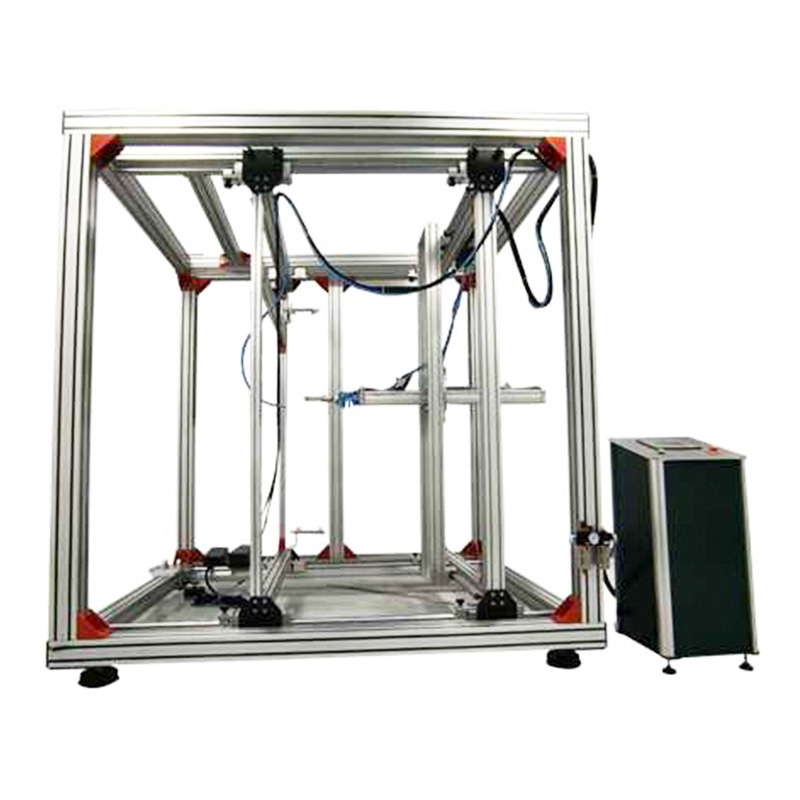
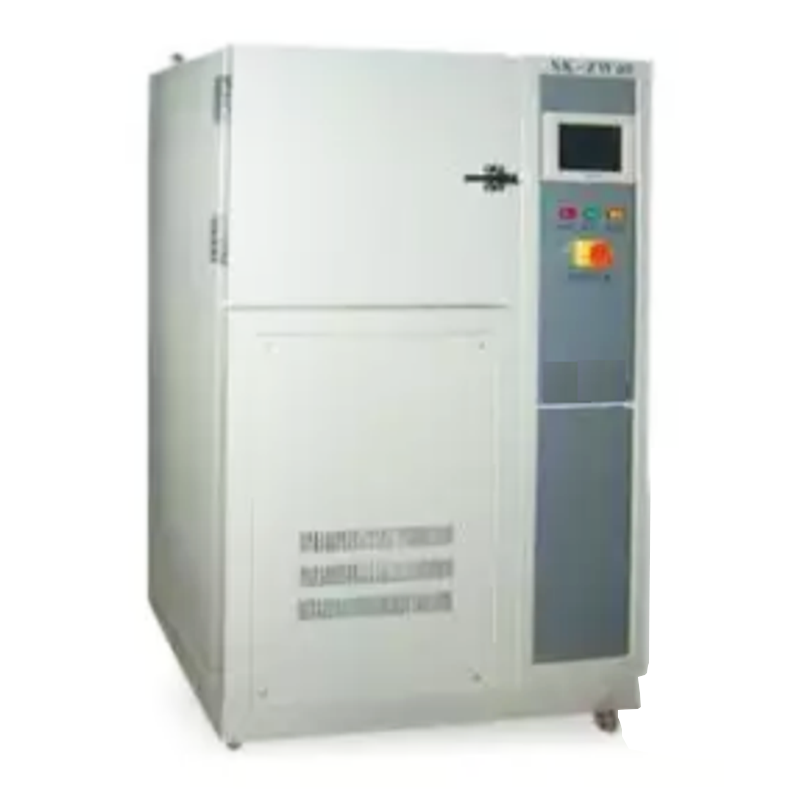
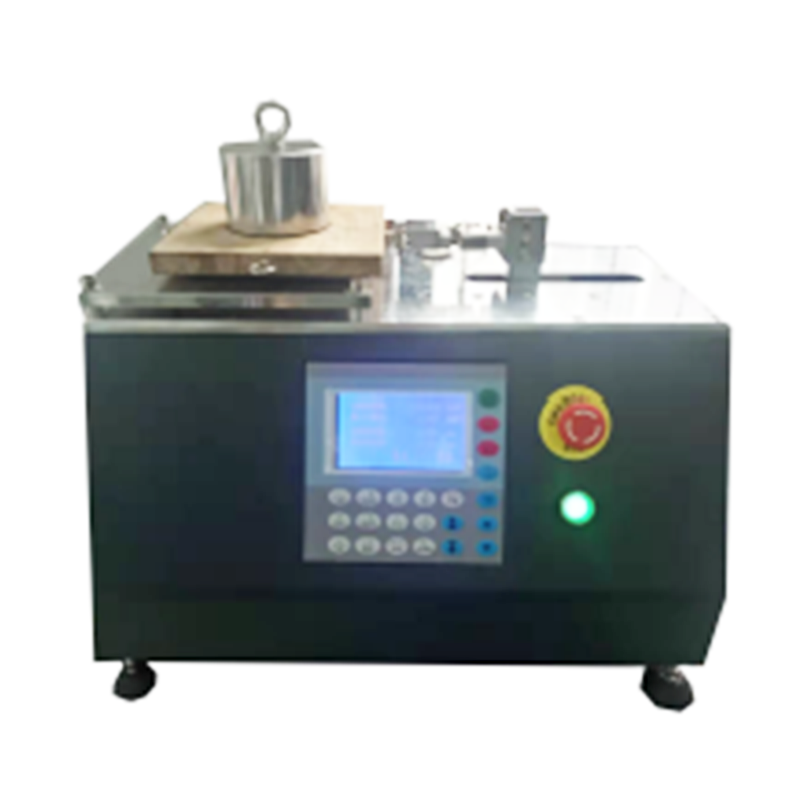
For manufacturers of sanitary ware, ensuring product durability is not just about quality control—it's a matter of consumer safety and brand reputation. A bathtub load testing machine is the critical piece of equipment used to verify that acrylic, fiberglass, and cast iron tubs can withstand real-world usage without cracking or failing. This guide explores how advanced load testing technology ensures your products meet rigorous international standards like JC/T 779-2010.
Why Bathtub Load Testing is Critical for Manufacturers
The primary function of a bathtub load testing machine is to simulate the extreme stresses a bathtub endures during its lifecycle. Unlike simple visual inspections, mechanical load testing provides quantitative data on structural integrity.
Consumer Safety: Bathtubs must support significant weight, including water and users. Failure can lead to catastrophic accidents.
Regulatory Compliance: Markets worldwide have strict standards. For instance, the Chinese standard JC/T 779-2010 (Glass Fiber Reinforced Plastic Bathtubs) explicitly requires load-bearing tests (Appendix A) to certify product safety.
Brand Protection: A single recall due to structural failure can cost millions. Investing in a reliable bathtub load tester is an insurance policy for your brand's reputation.

Key Features of a High-Performance Bathtub Load Tester
Not all testing equipment is created equal. When sourcing a bathtub load testing machine, look for these technical specifications that define precision and reliability:
Precision Control Systems
Modern testers utilize PLC (Programmable Logic Controller) systems paired with touchscreens. This allows operators to program complex test cycles, monitor real-time data, and store results automatically. The integration of servo motors ensures smooth, vibration-free movement, which is crucial for accurate load application.
Accurate Force Measurement
The heart of any bathtub load testing machine is its sensor system. High-quality units feature load cells with a capacity of 500kg and a precision of ±1%. This ensures that even minor deviations in material strength are detected.
Versatile Testing Parameters
A robust machine should offer adjustable test speeds (e.g., 0.01-300mm/min) and customizable hold times (up to 999 minutes). This flexibility allows manufacturers to test various materials, from flexible acrylics to rigid composites, under different stress conditions.
Understanding the JC/T 779-2010 Standard
Compliance with JC/T 779-2010 is mandatory for glass fiber reinforced plastic bathtubs sold in specific markets. Appendix A of this standard outlines the specific methodology for load-bearing performance.
A compliant bathtub load testing machine must be capable of:
Applying a concentrated load to the center or rim of the bathtub.
Maintaining that load for a specified duration to check for creep or deformation.
Measuring the deflection (bending) of the tub floor accurately.
Using automated equipment eliminates human error in timing and force application, ensuring your test reports stand up to audit scrutiny.
Applications Beyond Standard Bathtubs
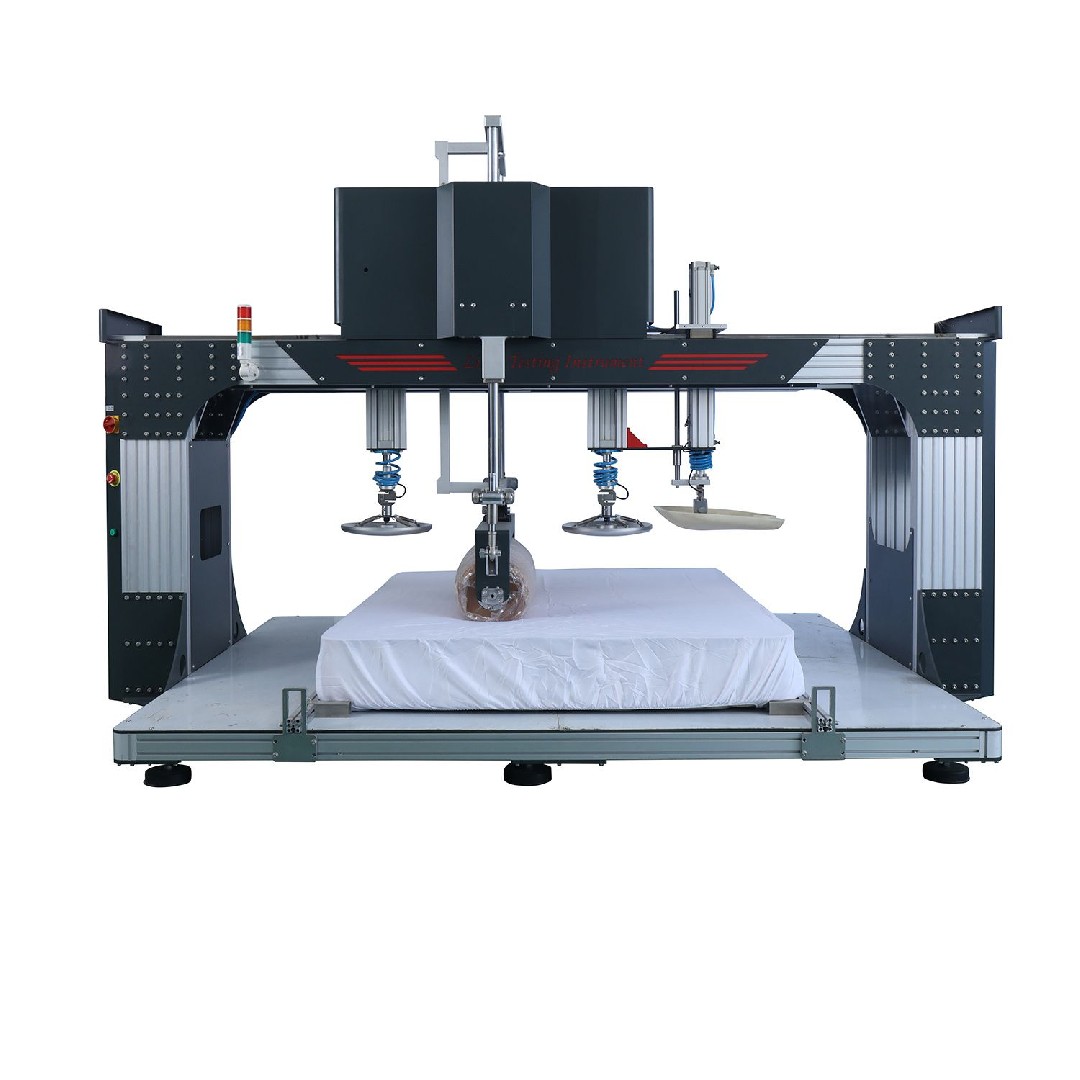
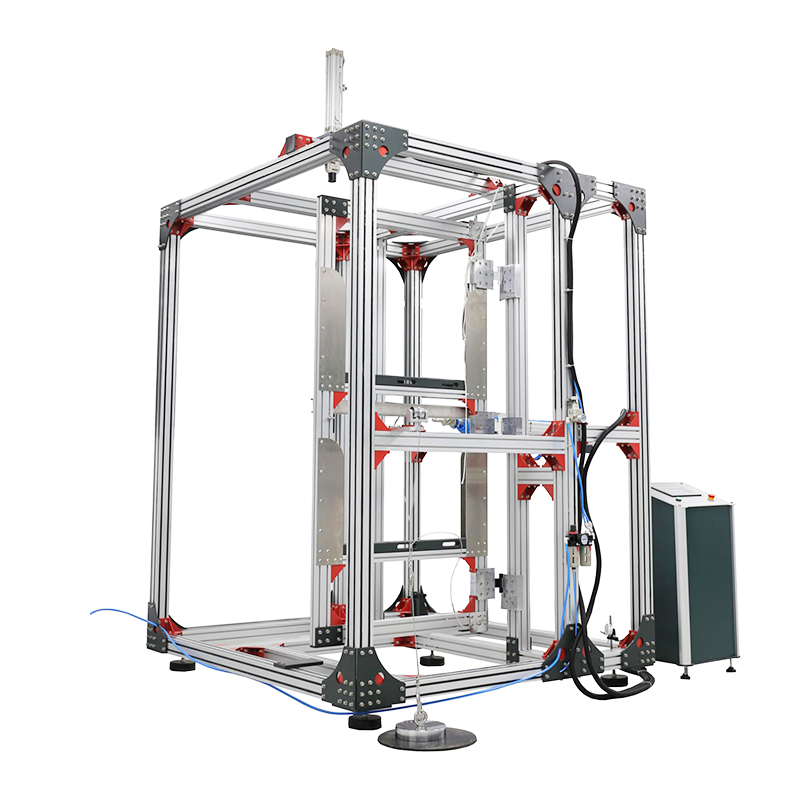
While designed for sanitary ware, a versatile bathtub load testing machine can often be adapted for other industries. The sturdy industrial aluminum profile frame and adjustable fixtures make it suitable for:
Shower Tray Testing: Verifying the load capacity of base pans.
Furniture Component Testing: With fixture modifications, it can test bed frames or chair legs.
Material Research: R&D labs use these machines to test new composite materials before mass production.
This versatility makes the equipment a valuable asset for comprehensive quality control laboratories.
Choose Lituo for Reliable Testing Solutions
At Lituo Testing Instrument, we understand that precision is non-negotiable. Our bathtub load testing machines are engineered with top-tier components, including imported sensors and advanced PLC software, to ensure your products pass every test.
Why Partner With Us?
Customization: We tailor dimensions and fixtures to your specific bathtub models.
Global Compliance: Our equipment supports various international standards (ISO, EN, ASTM, JC/T).
Expert Support: From installation to calibration, our team ensures you get the most out of your investment.
Don't compromise on safety. Contact us today to request a quote or a demo of our latest bathtub load testing machine.
Last Article:Ultimate Guide to Office Chair Armrest Fatigue Tester | BIFMA & EN Standard Compliant
Next Article:No More